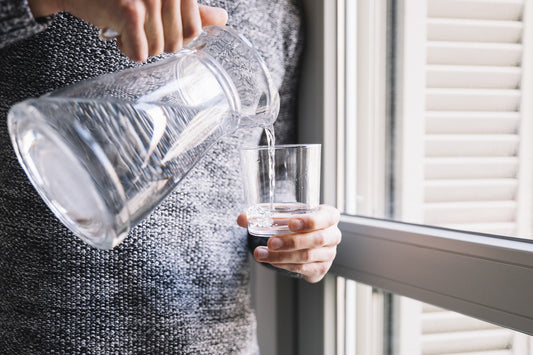

You turn on your kitchen faucet expecting clean, refreshing water, but instead get a chlorine-heavy liquid that tastes like a swimming pool. Sound familiar? You're not alone. Millions of homeowners face this daily frustration, unaware that the solution lies in understanding one powerful filtration technology: granular activated carbon.
Granular activated carbon water filters represent the gold standard in home water purification, but here's what most people don't realize – not all carbon filters are created equal. While many homeowners settle for basic carbon block systems, GAC filters offer superior contaminant removal, longer lifespan, and better water flow rates.
What Makes GAC Water Filters Different?
The Science Behind Granular Activated Carbon
Granular activated carbon filters work through a fascinating process called adsorption (not absorption). Think of each carbon granule as a microscopic sponge with millions of tiny pores. When contaminated water flows through, pollutants stick to these pore surfaces like magnets.
Here's where GAC technology shines: unlike compressed carbon blocks, granular carbon allows water to flow freely between individual particles. This creates multiple contact points and extends the time contaminants interact with the carbon surface. The result? More thorough filtration and dramatically improved water quality.
GAC vs. Carbon Block: The Clear Winner
While carbon block filters compress activated carbon into solid blocks, GAC filters use loose granules that provide several key advantages:
- Enhanced Flow Rate: Water moves more freely through granular carbon
- Superior Contact Time: Multiple pathways increase filtration effectiveness
- Easy Maintenance: Granules can be backwashed and reactivated
- Cost-Effective: Longer replacement intervals save money long-term

What Contaminants Do GAC Filters Remove?
Granular activated carbon water filters excel at removing chlorine, the primary culprit behind that unpleasant taste and smell in municipal water. But their capabilities extend far beyond basic chlorine removal:
Chemical Contaminants
- Volatile organic compounds (VOCs)
- Pesticides and herbicides
- Industrial chemicals
- Pharmaceutical residues
Taste and Odor Issues
- Chlorine and chloramine
- Hydrogen sulfide (rotten egg smell)
- Organic compounds causing musty odors
- Metallic tastes from aging pipes
Heavy Metals (Partial Removal)
- Lead reduction
- Mercury filtration
- Some copper removal
Understanding GAC Filter Limitations
Transparency matters when choosing your family's water filtration system. GAC filters don't remove everything:
- Dissolved minerals: Calcium, magnesium remain (often beneficial)
- Bacteria and viruses: Requires additional UV or reverse osmosis
- Total dissolved solids: Won't reduce TDS levels significantly
- Fluoride: Remains in treated municipal water
For comprehensive filtration, many homeowners combine GAC technology with sediment pre-filters and post-carbon polishing filters.
The GAC Filter Replacement Guide You Need
When to Replace Your GAC Filter
Most granular activated carbon filters require replacement every 6-12 months, but several factors affect this timeline:
Replace immediately if you notice:
- Return of chlorine taste or smell
- Reduced water flow rate
- Visible sediment in filtered water
- Strange tastes developing
High-usage households (4+ people) should replace filters every 4-6 months, while smaller families can often extend to 8-10 months with quality GAC cartridges.

Image by megafilm
Step-by-Step GAC Filter Replacement
Replacing your GAC filter takes just minutes with proper preparation:
- Shut off water supply to your filtration system
- Release pressure by opening the faucet until water stops flowing
- Remove old cartridge using the provided filter wrench
- Clean housing with mild soap solution
- Install new GAC cartridge hand-tight plus quarter turn
- Flush system for 5 minutes to remove carbon fines
Pro tip: Keep replacement cartridges in a cool, dry location to maintain their filtration capacity.
Choosing the Right GAC Filter for Your Home
Sediment, GAC, CTO Filter Order
Many homeowners ask: "What order to install sediment GAC CTO filters?" The sequence matters for optimal performance:
- Sediment Filter (5-20 micron) - Removes large particles first
- GAC Filter - Handles chlorine and chemical contaminants
- CTO Filter (Carbon Taste & Odor) - Final polishing stage
This configuration maximizes each filter's lifespan while ensuring comprehensive water treatment.

Image by rborzin
Selecting Quality GAC Cartridges
Not all granular activated carbon water filters deliver the same performance. Look for cartridges featuring:
- Coconut shell carbon: Superior adsorption capacity
- Consistent granule size: Ensures even water flow
- Food-grade materials: Safe for drinking water contact
- NSF certification: Third-party performance verification
Real-World GAC Filter Benefits
Sarah's Story: From Pool Water to Pure
Sarah, a mom from Denver, struggled with heavily chlorinated city water that made coffee taste terrible and left her family's hair feeling dry. After installing a GAC filter system, she immediately noticed the difference: "The chlorine smell disappeared completely, and my morning coffee finally tastes the way it should."
Health Benefits You'll Notice
Beyond taste improvement, granular activated carbon filters provide tangible health benefits:
- Reduced chemical exposure: Eliminates daily chlorine ingestion
- Better hydration: Improved taste encourages more water consumption
- Skin and hair health: Less chemical irritation during showering
- Food quality: Cooking and ice cubes taste dramatically better
Maintenance Tips for Long-Lasting Performance
Maximizing Your GAC Filter Investment
Granular activated carbon water filters perform best with proper maintenance:
Monthly checks:
- Monitor water flow rates
- Taste-test filtered water
- Inspect housing for leaks
- Record filter installation dates
Quarterly maintenance:
- Clean external housing
- Check connections for tightness
- Test water pressure
- Document any performance changes

Troubleshooting Common Issues
Slow water flow? Your sediment pre-filter likely needs replacement before the GAC cartridge.
Return of chlorine taste? Time for a new GAC filter – don't wait for complete saturation.
Black particles in water? Normal carbon fines from new cartridge installation. Flush system for 10 minutes.
Making the Smart Investment
Quality granular activated carbon water filters represent one of the most cost-effective home improvements available. Compare the annual cost of replacement cartridges (typically $50-150) against purchasing bottled water for a family of four (often exceeding $500 annually).
The choice becomes clear: GAC filtration delivers superior water quality, environmental benefits, and significant long-term savings.
Frequently Asked Questions
How long do GAC filters last?
Granular activated carbon filters typically last 6-12 months depending on water usage and quality. High-chlorine areas may require more frequent replacement.
Can GAC filters remove bacteria?
GAC filters don't effectively remove bacteria or viruses. For microbial protection, combine GAC with UV sterilization or boil water during advisories.
What's the difference between GAC and carbon block?
GAC filters use loose granules allowing better water flow and contact time, while carbon blocks compress carbon into solid forms with slower flow rates.
Do GAC filters reduce water pressure?
Quality granular activated carbon water filters maintain good flow rates. Pressure drops usually indicate clogged pre-filters or oversized filter housings for your plumbing.
Are GAC filters worth the investment?
Yes, GAC filters provide excellent value by removing chlorine, improving taste, and reducing chemical exposure at a fraction of bottled water costs.