
You're preparing breakfast for your family, filling glasses with what you believe is clean, safe water. But what if I told you that even municipally treated water can contain over 300 different contaminants? As a parent, ensuring your family's health starts with the water they drink every day. This comprehensive guide will walk you through everything you need to know about choosing the right home filtration system for your family's unique needs.
Why Every Modern Family Needs a Home Water Filtration System
Your family's health depends on clean water, yet most homeowners assume their tap water is automatically safe. The reality is more complex. Even well-maintained municipal systems can't eliminate every contaminant, and aging infrastructure often introduces new problems between the treatment plant and your faucet.

The Hidden Threats in Your Tap Water:
- Lead from aging pipes (affects 6 million households)
- Chlorine byproducts linked to respiratory issues
- Pesticides and herbicides from agricultural runoff
- Pharmaceutical residues that pass through treatment plants
- Bacteria and viruses from system failures
Understanding Your Water: The First Step to Protection
Before investing in any water home filtration systems, you need to understand what's actually in your water. Think of it like getting a health checkup – you can't treat what you don't know exists.
Testing Your Water Quality: Start with your annual water quality report (Consumer Confidence Report) from your utility company. This gives you baseline information, but it doesn't tell the whole story about what's happening in your specific home.
For comprehensive testing, consider these options:
- EPA-certified lab testing ($150-300) for complete analysis
- Home testing kits ($25-75) for basic contaminant screening
- Professional water assessments that include on-site testing

Common Contaminants That Threaten Family Health
Lead: The Silent Danger Lead contamination is particularly dangerous for children under 6, as it can cause irreversible developmental delays and learning difficulties. Even homes built after 1986 can have lead contamination from fixtures and solder.
Chlorine and Chloramines While these disinfectants kill harmful bacteria, they can cause skin irritation, worsen asthma symptoms, and create potentially carcinogenic byproducts when they react with organic matter.
Biological Contaminants Bacteria, viruses, and parasites like Giardia can cause serious gastrointestinal illness. Immunocompromised family members and young children are especially vulnerable.
Chemical Contaminants Pesticides, industrial chemicals, and pharmaceutical residues can disrupt hormonal systems and potentially increase cancer risk with long-term exposure.
Types of Home Filtration Systems: Finding Your Perfect Match
Whole House Filtration Systems These systems treat all water entering your home, providing comprehensive protection for drinking, cooking, and bathing. Crystal Quest offers robust whole-house systems that effectively remove sediment, chlorine, and various chemical contaminants while maintaining healthy mineral content.
Point-of-Use Systems These target specific taps or areas where you need the purest water:
Under-Sink Reverse Osmosis Systems Perfect for families who want restaurant-quality water for drinking and cooking. Waterdrop reverse osmosis systems remove up to 99% of contaminants while fitting neatly under your kitchen sink.
Countertop Systems Ideal for renters or families who want portable, high-quality filtration without permanent installation.
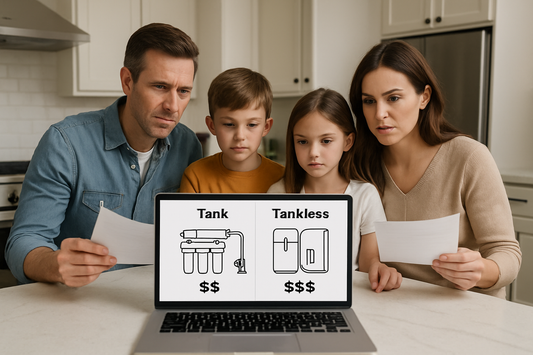
How Much Are Home Water Filtration Systems? Investment vs. Value
Many families hesitate when considering how much are home water filtration systems, but the investment pays dividends in health protection and long-term savings.
Budget Breakdown:
- Basic pitcher filters: $25-50 (plus ongoing filter costs)
- Countertop systems: $150-400
- Under-sink systems: $200-800
- Whole-house systems: $1,000-5,000
Hidden Costs to Consider:
- Replacement filters (typically $50-200 annually)
- Professional installation ($100-500)
- Maintenance and servicing
Return on Investment: A quality home filtration system typically pays for itself within 2-3 years compared to bottled water costs, while providing superior convenience and environmental benefits.

Choosing the Right System for Your Family's Needs
For Families with Young Children: Prioritize systems that remove lead, fluoride, and biological contaminants. Consider whole-house systems or point-of-use systems for kitchen and bathroom taps.
For Health-Conscious Families: Multi-stage systems that remove chemical contaminants while preserving beneficial minerals offer the best balance of purity and health.
For Budget-Conscious Families: Start with high-quality under-sink systems for drinking water, then expand to whole-house solutions as budget allows.
Installation and Maintenance: Keeping Your System Effective
Professional vs. DIY Installation: While some countertop and under-sink systems are DIY-friendly, whole-house systems typically require professional installation to ensure proper integration with your plumbing and optimal performance.
Maintenance Schedule:
- Replace filters according to manufacturer recommendations
- Annual system inspections
- Water quality testing every 2-3 years
- Professional servicing as needed

Red Flags: When to Replace Your Current System
Warning Signs:
- Unusual taste, odor, or appearance in your water
- Frequent illness in family members
- Skin irritation or dry hair after showering
- Decreased water pressure
- Visible sediment or particles
Making the Decision: Your Family's Health is Worth It
Choosing the right home filtration system isn't just about removing contaminants – it's about giving your family the foundation for better health. Clean water supports immune function, improves skin and hair health, and gives you peace of mind knowing you're providing the best for your loved ones.
Action Steps:
- Test your current water quality
- Identify your family's specific needs and concerns
- Research systems that address your priority contaminants
- Consider your budget and long-term maintenance costs
- Consult with water quality professionals for personalized recommendations
FAQ Section
What's the best home filtration system for families with children?
Multi-stage systems that remove lead, chlorine, and biological contaminants while preserving healthy minerals. Whole-house systems provide comprehensive protection for all family activities.
How often should I replace water filters?
Most filters need replacement every 3-6 months, depending on usage and water quality. Set calendar reminders and watch for decreased flow or taste changes.
Are expensive filtration systems worth the investment?
Quality systems typically pay for themselves within 2-3 years through bottled water savings while providing superior health protection and convenience for your family.
Can I install a home filtration system myself?
Countertop and basic under-sink systems are often DIY-friendly, but whole-house systems require professional installation for optimal performance and warranty protection.
How do I know if my water filtration system is working?
Regular testing, consistent taste and odor, proper water flow, and following the manufacturer's maintenance schedule ensure optimal performance and family protection.