
You're standing in your kitchen, watching crystal-clear water flow from your tap, knowing that every drop is being used to its fullest potential. No waste streaming down the drain, no concern about contamination forcing you to let water run longer than necessary. This isn't just a dream—it's the reality that water conservation filtration systems can create in your home today.
In a world where water and conservation have become urgent priorities, the average American household wastes nearly 10,000 gallons of water annually. But here's what most people don't realize: the right filtration system doesn't just clean your water—it transforms how efficiently your entire household uses this precious resource.
Why Water Conservation Starts with Smart Filtration
Every time you turn on your tap, you're making a choice. Will this water serve its purpose immediately, or will you waste gallons waiting for it to run clear? Will you trust what's coming out, or will you let it flow while you grab bottled water instead?
Traditional water systems force us into wasteful habits. We run taps longer to avoid sediment, we buy countless plastic bottles, and we replace water-using appliances prematurely due to mineral buildup. But when you understand how to reduce water waste through strategic filtration, everything changes.
The Hidden Water Waste in Your Home
Before we dive into solutions, let's talk about the water waste happening right under your nose. That cloudy water from your morning tap? You're probably running it for 30 seconds before it clears—that's 2 gallons down the drain, every single day. Multiply that by every family member, every use, and you're looking at thousands of gallons annually.
Then there's the appliance factor. Unfiltered water containing minerals and sediments forces your dishwasher, washing machine, and water heater to work harder, use more water, and break down faster. It's a cycle of waste that most homeowners never connect to their water quality.
Whole House Solutions: The Conservation Game-Changer
Here's where water conservation filtration systems become your home's secret weapon. A comprehensive whole-house system doesn't just filter—it optimizes every drop of water entering your home.
Think of it as having a personal water efficiency expert working 24/7. These systems remove sediments and contaminants at the source, meaning your water runs clear immediately. No more waiting, no more waste, no more second-guessing what's coming out of your tap.
The science behind this is fascinating. Multi-stage filtration systems capture particles at different levels, ensuring that water flowing to your kitchen, bathroom, and laundry room is already optimized for use. This means your appliances work more efficiently, your cleaning products work better with less water, and your family uses exactly what they need—nothing more.

Point-of-Use Efficiency: Targeted Conservation
While whole-house systems tackle the big picture, point-of-use filtration addresses specific conservation challenges. Under-sink and countertop systems create reduce water waste home filtration zones where it matters most.
Consider your kitchen sink—the hub of your home's water usage. With a dedicated filtration system, you eliminate the need to run water until it tastes right. You stop reaching for bottled water. You start cooking with confidence, knowing that every drop you use is pure and purposeful.
These targeted systems also extend the life of your drinking water. When water is properly filtered at the point of use, it stays fresh longer, reducing the waste that comes from dumping stale or questionable water.
The Ripple Effect: How Filtration Multiplies Conservation
The beauty of water conservation through filtration lies in its ripple effects. When your water is consistently clean and reliable, your entire household develops more efficient habits naturally.
Your coffee tastes better, so you make exactly what you need instead of dumping bitter batches. Your ice cubes are crystal clear, so you use what you make instead of letting cloudy ones melt in the sink. Your plants thrive on filtered water, so you water them confidently without overdoing it "just in case."
This behavioral shift is powerful. Families report using 20-40% less water within months of installing comprehensive filtration systems—not because they're restricting themselves, but because they're using water more purposefully.

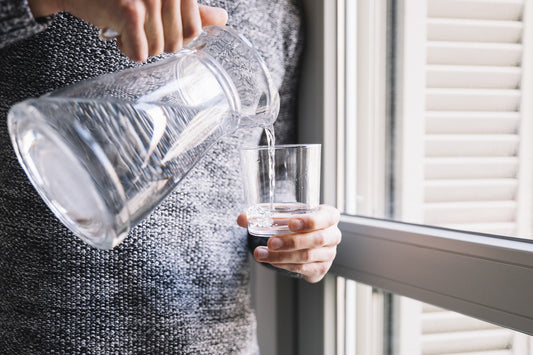
Image by New Africa
Economic Benefits: Conservation That Pays for Itself
Let's talk numbers, because water conservation through filtration isn't just environmentally responsible—it's financially smart. The average household spending $50-80 monthly on bottled water can redirect that entire budget toward a filtration system that pays for itself within a year.
But the savings go deeper. When your appliances receive consistently filtered water, they last longer and operate more efficiently. Your water heater doesn't work as hard. Your dishwasher uses less detergent. Your washing machine needs fewer cycles to get clothes clean.
These efficiency gains compound over time. Homeowners with comprehensive filtration systems report 15-25% lower utility bills within the first year, with the savings increasing as appliances maintain peak performance longer.
Environmental Impact: Your Conservation Contribution
Every gallon you conserve through smart filtration is a gallon that doesn't need to be processed, transported, or packaged. When you eliminate bottled water reliance, you remove hundreds of plastic containers from the waste stream annually.
But the environmental benefits extend beyond your household. Water conservation through filtration reduces strain on municipal water systems, decreases energy consumption in water treatment facilities, and supports broader conservation efforts in your community.
Maintenance: Keeping Your Conservation System Peak-Performing
A well-maintained filtration system is a highly efficient conservation tool. Regular filter changes ensure optimal flow rates and maximum contaminant removal, preventing the water waste that comes from system inefficiencies.
Most modern systems make maintenance simple. Visual indicators show when filters need changing, and replacement is typically a 5-minute process. This small investment in upkeep ensures your conservation efforts remain effective year after year.
Your Next Steps Toward Water Conservation
The journey toward water conservation through filtration starts with understanding your home's specific needs. Consider your water usage patterns, identify your biggest waste points, and choose filtration solutions that address both quality and efficiency.
Whether you start with a point-of-use system or invest in whole-house filtration, you're making a choice that benefits your family, your budget, and your environment. Every drop you save through smart filtration is a step toward a more sustainable future.

Image by Neeways
People Also Ask
How much water can filtration systems help me save?
Most households save 20-40% on water usage within the first year of installing comprehensive filtration systems by eliminating waste from running taps and reducing reliance on bottled water.
Do water filters really help with conservation?
Yes, filters eliminate the need to run water until it's clear, reduce appliance inefficiency, and stop the waste associated with bottled water consumption and poor-quality tap water.
What's the best filtration system for water conservation?
Whole-house systems provide maximum conservation benefits, but point-of-use systems at high-usage areas like kitchen sinks offer significant water savings with lower initial investment.
How often should I replace filters for best conservation results?
Replace filters according to manufacturer recommendations—typically every 3-6 months—to maintain optimal flow rates and prevent the water waste that comes from clogged or inefficient filters.