
Your morning glass of water might look crystal clear, but appearances can be deceiving. Sarah from Denver thought her tap water was perfectly fine until her family started experiencing unexplained stomach issues. A simple water quality check revealed contamination levels that shocked her—and changed how she approached her family's drinking water forever.
Understanding water quality indicators isn't just about chemistry—it's about protecting your family's health with knowledge you can act on today.
What Are Water Quality Indicators and Why They Matter
Water quality indicators are measurable signs that reveal what's really in your water. Think of them as your water's report card, showing everything from bacterial contamination to chemical imbalances that could affect your health.
Key indicators include:
- Biological markers (bacteria, viruses, algae)
- Chemical levels (pH, chlorine, heavy metals)
- Physical properties (color, odor, taste, clarity)
These indicators matter because contaminated water contributes to over 3.4 million deaths globally each year. Even in developed countries like the US, water quality issues affect millions of households annually.
Essential Water Quality Indicators You Can Spot at Home
Visual Indicators for Water Quality
Cloudiness or Turbidity Cloudy water often signals sediment, bacteria, or chemical contamination. While sometimes harmless, persistent cloudiness warrants immediate testing.
Color Changes
- Yellow/brown tint: Iron, manganese, or rust contamination
- Blue/green hue: Copper pipe corrosion
- Reddish color: Iron bacteria or rust particles
Floating Particles or Film
Oil-like films or floating debris indicate serious contamination requiring professional water test analysis.
Smell and Taste Indicators
Chlorine Odor
Strong chlorine smells suggest over-treatment by municipal systems or recent pipe cleaning. While not immediately dangerous, it affects taste and may indicate other issues.
Rotten Egg Smell
Hydrogen sulfide gas creates this distinctive odor, often from bacterial contamination or natural sulfur deposits.
Metallic Taste
Usually indicates high iron, copper, or zinc levels—common in homes with older plumbing systems.

How to Test Your Water Quality at Home
DIY Testing Methods (No Equipment Needed)
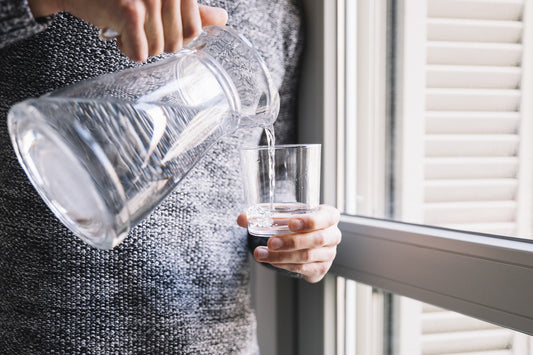
The Glass Test Fill a clear glass with water and hold it against white paper. Look for:
- Cloudiness or particles
- Color variations
- Floating materials
The Smell Test Pour water into a clean glass and smell immediately. Different odors indicate specific contamination types.
The Taste Test Small sips can reveal metallic, chlorinated, or bitter tastes (only if water appears clear and odorless).
Home Water Quality Check Kit Options
Basic Test Strips ($15-30)
- Test pH, chlorine, hardness, iron
- Results in 30 seconds
- Good for routine monitoring
Comprehensive Kits ($50-150)
- Include bacteria tests, heavy metals, pesticides
- Laboratory analysis included
- Detailed reports with recommendations
Digital Meters ($25-100)
- TDS (Total Dissolved Solids) meters
- pH meters for accurate readings
- Instant results for key indicators
Professional Water Test Analysis
For comprehensive assessment, laboratory testing provides detailed analysis of:
- 15+ contaminant categories
- Precise contamination levels
- Health risk assessments
- Treatment recommendations

Image by KamranAydinov
Health Risks from Poor Water Quality
Immediate Health Concerns
Poor water quality indicators often signal contamination that causes:
- Gastrointestinal illness
- Skin and eye irritation
- Respiratory problems
- Weakened immune system response
Long-term Health Impacts
Chronic exposure to contaminated water contributes to:
- Kidney and liver damage
- Cardiovascular disease
- Developmental issues in children
- Increased cancer risk
Treatment Solutions Based on Water Quality Indicators
For Biological Contamination
eliminate bacteria and viruses without chemicals, making them ideal for households concerned about biological water quality indicators.
For Chemical Contamination
Multi-stage filtration systems
address multiple chemical contaminants simultaneously, providing comprehensive protection based on your specific water test analysis results.
Reverse osmosis systems
remove up to 99% of dissolved solids, heavy metals, and chemical contaminants—perfect for homes with multiple water quality issues.
For Hard Water Issues
Water softeners specifically address mineral-related water quality indicators like calcium and magnesium buildup.
Maintaining Water Quality Long-term
Regular Testing Schedule
- Municipal water: Test annually
- Well water: Test every 6 months
- After plumbing changes: Immediate testing
- Following contamination events: Professional analysis
Prevention Strategies
- Replace old plumbing fixtures
- Clean water storage tanks regularly
- Monitor municipal water reports
- Install appropriate filtration systems
When to Call Professionals
Contact water quality experts if you notice:
- Sudden changes in taste, odor, or appearance
- Multiple family members getting sick
- Test results showing contamination
- Persistent issues despite treatment

Image by user36718402
FAQ: People Also Ask About Water Quality
What are the 5 main indicators of water quality?
The five main water quality indicators are pH levels, dissolved oxygen, turbidity (cloudiness), temperature, and bacterial contamination. These provide a comprehensive picture of water safety and usability.
How can I test my water quality at home for free?
Use your senses first—check for unusual colors, odors, or tastes. Many municipalities offer free water testing services, and some hardware stores provide basic test strips at low cost.
What does poor water quality look like?
Poor water quality often appears cloudy, discolored (yellow, brown, or green), has unusual odors (chlorine, sulfur, metallic), or tastes bitter, metallic, or overly chemical.
How often should I test my home water quality?
Test municipal water annually and well water every 6 months. Test immediately after plumbing changes, nearby construction, or if you notice changes in taste, smell, or appearance.
Can water quality affect my skin and hair?
Yes, poor water quality indicators like high chlorine, hard minerals, or chemical contaminants can cause dry skin, hair damage, and irritation. Many people notice improvements after installing water treatment systems.