
Your family's health depends on clean water, but with countless filtration options available, choosing the right system can feel overwhelming. Whether you're dealing with sulfur-smelling tap water in your kitchen or planning your next camping adventure, understanding the difference between whole house water filter systems and portable water filtration systems is crucial for making an informed decision.
This comprehensive home water filtration guide will walk you through everything you need to know about both options, helping you determine which solution best fits your lifestyle, budget, and water quality needs.
Why Water Quality Matters More Than Ever
Picture this: You wake up, stumble to the kitchen for your morning coffee, and turn on the tap only to be hit with that unmistakable rotten egg smell. Or maybe you're planning a weekend camping trip and worried about the safety of natural water sources. These scenarios highlight why having the right water filtration strategy isn't just convenient—it's essential.
Poor water quality affects everything from the taste of your morning coffee to your family's long-term health. Contaminants like chlorine, heavy metals, bacteria, and hydrogen sulfide (that sulfur smell) can impact not only what you drink but also what you cook with, bathe in, and even breathe when showering.

Understanding Whole House Water Filter Systems
What Are Whole House Systems?
Whole house water filter systems, also known as point-of-entry systems, treat water as it enters your home. Think of them as your home's first line of defense against contaminants. These systems install directly on your main water line, ensuring every drop of water flowing through your taps, showers, and appliances is filtered.
Key Benefits of Whole House Systems
Complete Home Protection: Unlike single-point filters, whole house systems protect every water outlet in your home. This means cleaner water for drinking, cooking, bathing, and even doing laundry.
Appliance Longevity: By removing sediment and chemicals before they reach your water heater, dishwasher, and washing machine, these systems can significantly extend appliance life and improve efficiency.
Sulfur Smell Water Filter Solution: If you're dealing with that persistent sulfur smell, a whole house system with activated carbon and specialized media can eliminate hydrogen sulfide throughout your entire home.
Convenience: Once installed, whole house systems require minimal daily maintenance. No need to remember to replace multiple filters or refill pitchers.
Popular Whole House System Types
Sediment Filters: Remove dirt, rust, and large particles. Perfect for well water or areas with older pipes.
Carbon Block Systems: Excellent for chlorine removal and improving taste and odor. These are often the first choice for city water treatment.
Multi-Stage Systems: Combine sediment, carbon, and specialized media for comprehensive filtration. Ideal for complex water quality issues.
Self-Cleaning Systems: Feature automatic backwash cycles that extend filter life and maintain consistent performance.

Portable Water Filtration Systems: Freedom and Flexibility
When Portable Makes Sense
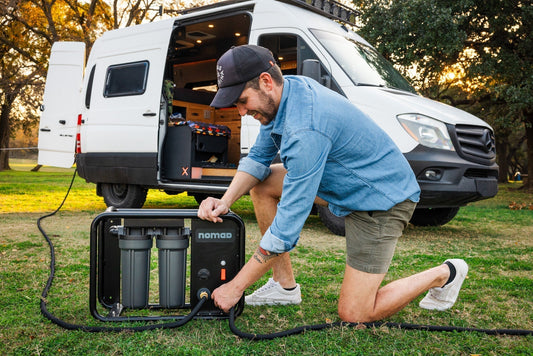
Portable water filtration systems offer something whole house systems can't: mobility. Whether you're an outdoor enthusiast, live in a rental property, or need emergency preparedness, portable systems provide clean water wherever life takes you.
Advantages of Portable Systems
Versatility: Use them at home, in your RV, while camping, or during emergency situations. One system serves multiple purposes.
No Installation Required: Most portable systems require no plumbing modifications, making them perfect for renters or those who move frequently.
Off Grid Water Filtration: Essential for camping, hiking, and remote living situations where traditional water sources aren't available.
Budget-Friendly: Generally more affordable upfront than whole house systems, with options ranging from basic to professional-grade.
Emergency Preparedness: During natural disasters or water main breaks, portable systems ensure your family has access to clean water.
Types of Portable Systems
Gravity-Fed Filters: Perfect for camping and emergency use. No electricity required, and they can filter large quantities of water.
Pump-Action Filters: Compact and efficient for hiking and backpacking. Great for treating water from streams and lakes.
UV Sterilizers: Eliminate bacteria and viruses using ultraviolet light. Excellent for international travel and questionable water sources.
Countertop Systems: Larger portable units that sit on your kitchen counter, perfect for renters or small spaces.
Making the Right Choice: Factors to Consider
Water Quality Testing
Before choosing any system, understand what you're dealing with. Home water test kits can reveal the presence of chlorine, bacteria, heavy metals, and other contaminants. This information is crucial for selecting the right filtration technology.
Lifestyle Assessment
Ask yourself these questions:
- Do you own or rent your home?
- How often do you travel or camp?
- What's your budget for initial purchase and ongoing maintenance?
- Are you dealing with specific issues like sulfur smell or hard water?
- Do you need emergency water preparedness?
Installation and Maintenance Considerations
Whole House Systems: Require professional installation and periodic filter changes. Initial cost is higher, but long-term maintenance is straightforward.
Portable Systems: Easy to set up and maintain yourself. Filters need regular replacement, but the process is typically simple.
Installation Guide: Getting Started
Whole House System Installation
While professional installation is recommended, understanding the process helps you prepare:
- Shut off main water supply
- Locate optimal installation point (usually where the main line enters your home)
- Install bypass valve for maintenance
- Connect system to main line
- Test for leaks and proper flow
- Run water until clear (initial carbon fines may cause black water)
Portable System Setup
Most portable systems require minimal setup:
- Assemble components according to manufacturer instructions
- Prime filters if required
- Run initial water through system to remove any manufacturing residue
- Test flow rate and taste
Maintenance and Longevity Tips
Whole House System Care
Regular Filter Replacement: Most systems need filter changes every 6-12 months, depending on water quality and usage.
System Monitoring: Watch for decreased water pressure or changes in taste/odor, which may indicate filter replacement time.
Professional Servicing: Annual inspections ensure optimal performance and can catch issues early.
Portable System Maintenance
Filter Tracking: Keep a log of filter usage and replacement schedules.
Proper Storage: Store systems in cool, dry places to prevent bacterial growth.
Regular Cleaning: Clean external components regularly to maintain hygiene.
Cost Considerations and ROI
Initial Investment
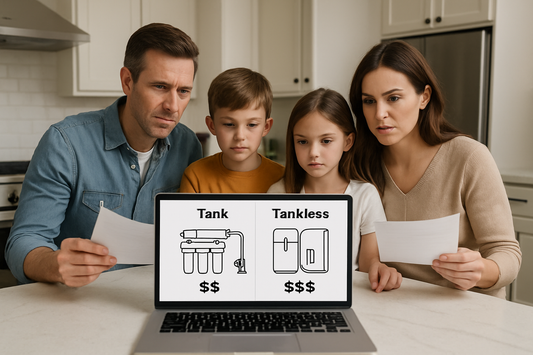
Whole House Systems: Range from $500-$3,000 depending on complexity and quality. Professional installation adds $200-$500.
Portable Systems: Typically $50-$500, with no installation costs.
Long-Term Costs
Consider filter replacement costs, maintenance, and potential savings from:
- Reduced bottled water purchases
- Extended appliance life
- Decreased plumbing repairs
- Improved soap and detergent efficiency
Environmental Impact and Sustainability
Both whole house and portable systems offer environmental benefits over bottled water:
Reduced Plastic Waste: Eliminate thousands of plastic bottles annually.
Lower Carbon Footprint: Reduce transportation emissions from bottled water delivery.
Energy Efficiency: Many modern systems use minimal electricity while providing maximum filtration.
Common Troubleshooting Issues
Whole House Systems
Low Water Pressure: Usually indicates clogged filters or incorrect installation.
Unusual Taste/Odor: May signal filter replacement time or system contamination.
Leaks: Often result from loose connections or worn O-rings.
Portable Systems
Slow Filtration: Typically means filters need replacement or cleaning.
Poor Taste: May indicate filter exhaustion or contamination.
Reduced Flow: Could signal clogged pre-filters or damaged components.

Image by freepik
Future-Proofing Your Water Filtration Strategy
Consider how your needs might change:
Growing Family: Whole house systems scale better with increased usage.
Lifestyle Changes: Portable systems offer flexibility for changing living situations.
Water Quality Evolution: Some systems allow for filter upgrades as water quality changes.
Technology Advances: Look for systems with upgrade potential for new filtration technologies.
Making Your Decision
The choice between whole house water filter systems and portable water filtration systems isn't always either/or. Many families benefit from a combination approach: a whole house system for daily use and portable systems for travel and emergencies.
Consider your primary needs, budget, and lifestyle. If you're dealing with persistent issues like sulfur smell throughout your home, a whole house system provides comprehensive relief. If you value flexibility and emergency preparedness, portable systems offer unmatched versatility.
Remember, the best water filtration system is the one you'll actually use consistently. Whether you choose whole house, portable, or both, you're making an investment in your family's health and peace of mind.